Adult Acne: Causes, Treatment and How to Prevent Scarring
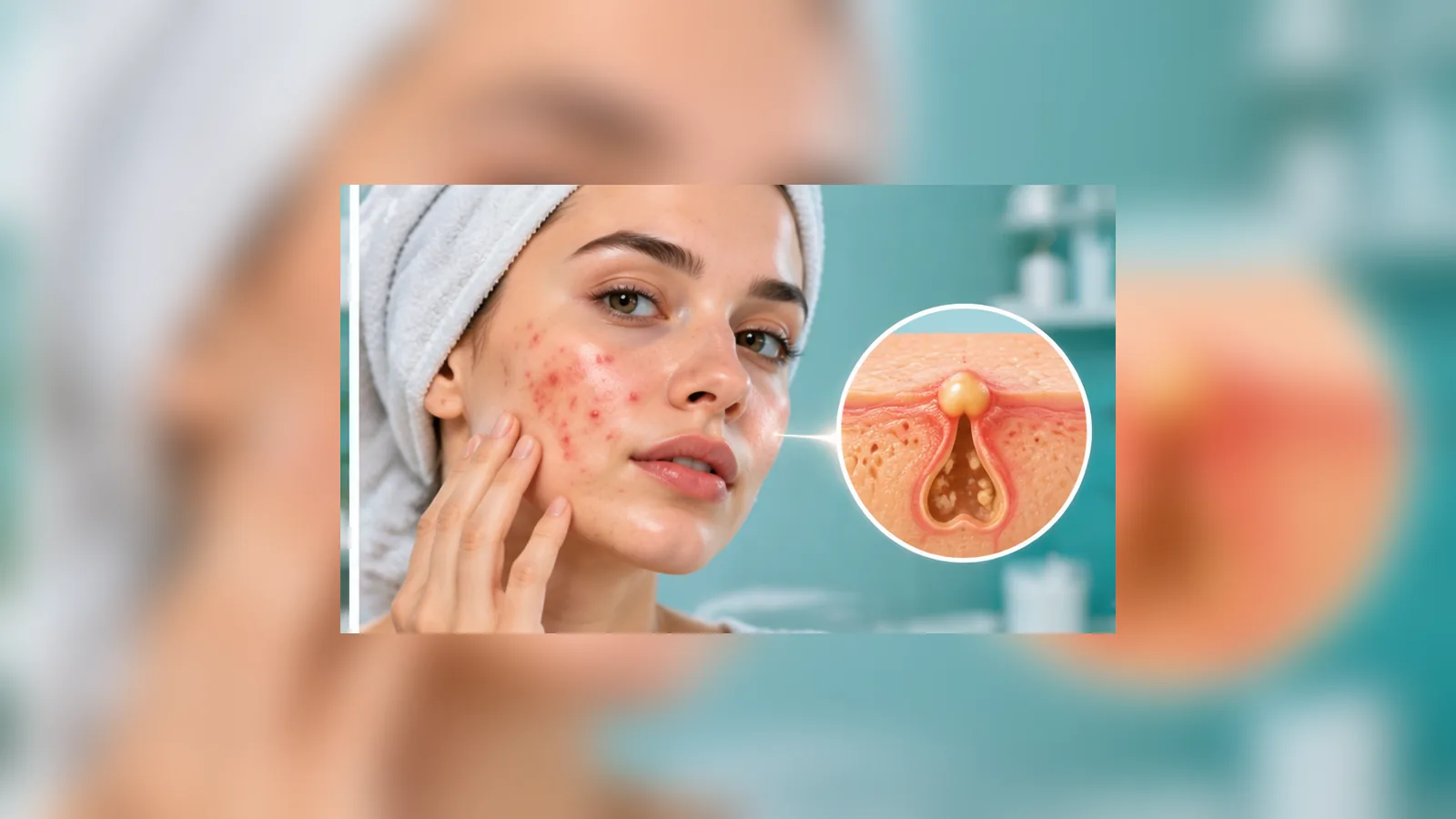
Adult acne is far from a teenage problem. Learn how hormones, skin care and treatments work together, which active ingredients are effective, and how to prevent dark marks and scars.
Many people believe acne only affects teenagers, but facial breakouts can continue into the twenties, thirties, forties and beyond, or appear for the first time in adulthood. Recurrent breakouts on the chin and jaw, painful deep lesions, blackheads and inflamed cheeks can affect self-confidence and quality of life as well as the appearance of the skin.
Acne is an inflammatory disease of the hair follicles and sebaceous glands. Blocked pores, increased oil production, the activity of normal skin bacteria and inflammation all contribute to it. Over-washing or drying the skin harshly is therefore not a definitive solution and can sometimes worsen irritation. Suitable treatment should match the type of lesion, the severity of the acne and the individual's situation.
How acne develops
The sebaceous glands in the skin produce an oily substance called sebum. When dead skin cells and oil accumulate at the opening of a follicle, the pore becomes blocked and a blackhead or whitehead forms. If inflammation develops, red, pus-filled or deep painful lesions appear. Acne may be a combination of several types of lesion, and treating a blackhead is not the same as treating nodular or cystic acne.
Why do adults get acne?
Hormonal fluctuations are one of the main factors in adult acne. In some women, breakouts change around the menstrual cycle, during pregnancy or in the years before menopause. Genetics, stress, certain medications and unsuitable cosmetic or skin care products may also play a role. Heavy, comedogenic products can block pores. The link between diet and acne is not the same for everyone, and cutting out food groups without a clear reason is not recommended.
When might hormones be involved?
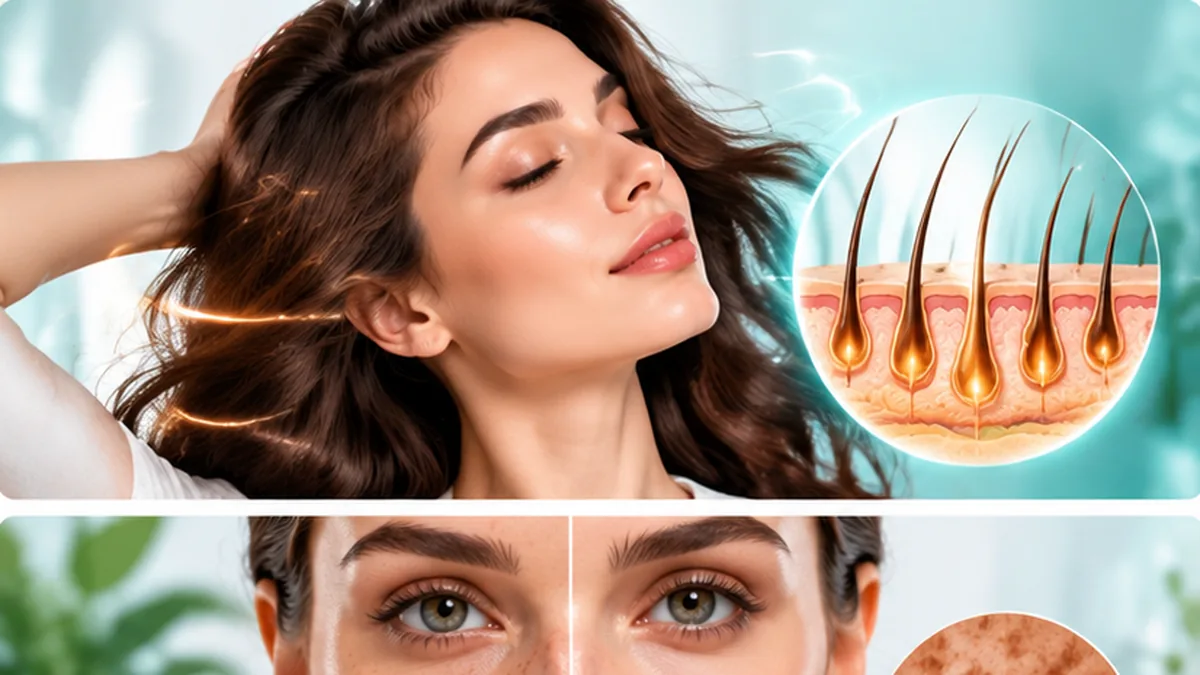
Deep, tender breakouts on the lower face, especially if they change with the menstrual cycle, can suggest a hormonal contribution. However, the location of a breakout alone is not a definitive diagnosis. If acne is accompanied by irregular periods, excess facial hair or hormone-pattern hair loss, a medical evaluation is more important. Your doctor will decide, based on your history and examination, whether hormonal testing is needed.
A daily skin care routine for acne-prone skin
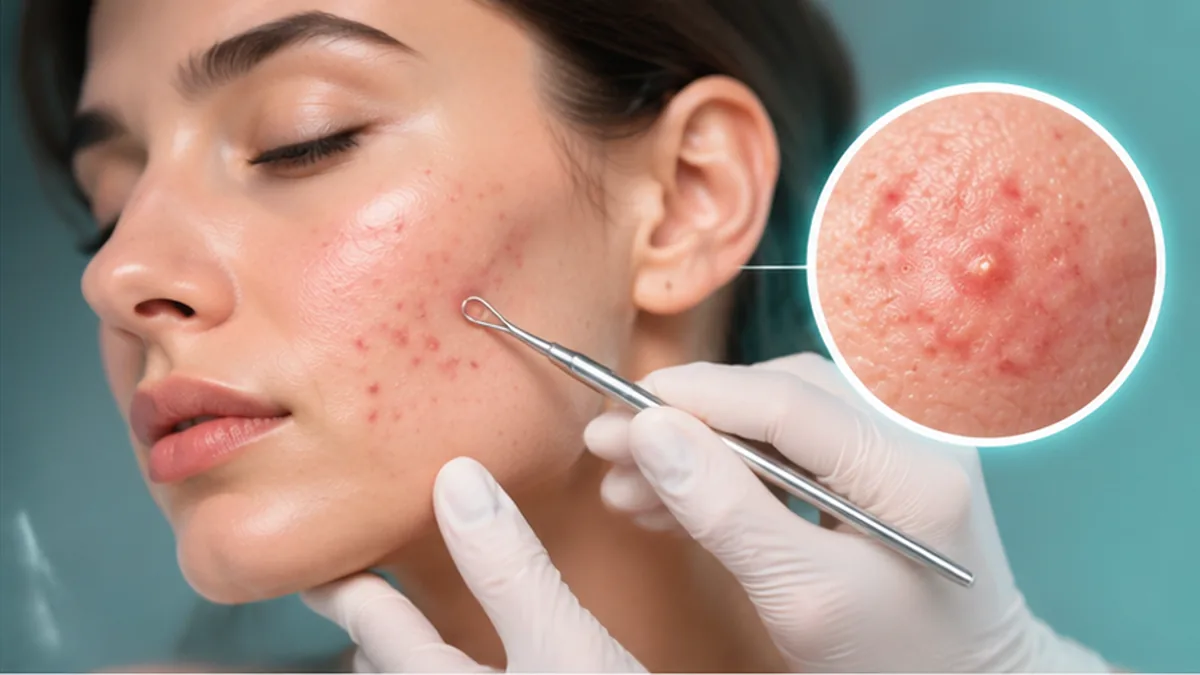
In the morning, wash the face with a gentle cleanser, apply a light, non-comedogenic moisturiser and a broad-spectrum sunscreen with at least SPF 30. At night, gently remove make-up and sunscreen. There is no need to scrub the skin with a harsh scrub or a stiff brush. Introduce new products one at a time so that you can identify the cause if irritation occurs.
Using several strong acids, retinoids and anti-acne products at the same time can damage the skin barrier. If the skin becomes stinging, red or very flaky, review your routine with your doctor. Squeezing or picking spots also increases inflammation and the risk of dark marks or scars.
Active ingredients that help treat acne
Benzoyl peroxide can reduce the bacteria linked to acne and reduce inflammation. Topical retinoids such as adapalene help unclog pores and are used for blackheads, whiteheads and some inflammatory spots. Azelaic acid may also help acne and post-inflammatory marks. The right active ingredient depends on skin type, the severity of the acne and whether you are pregnant or breastfeeding.
Retinoids should not be used without medical advice during pregnancy, and anyone who is pregnant or planning a pregnancy should consult a doctor before starting any anti-acne treatment. Use topical medicines as directed and avoid combining several active ingredients without a plan.
When are oral medicines needed?
For moderate to severe acne, deep or widespread lesions, or acne that does not respond to topical treatment, your doctor may consider oral medicines. Some antibiotics are prescribed for a limited period together with topical treatment. In some women, hormonal medicines may be an option, but they are not suitable for everyone and require a review of the medical history.
Isotretinoin is used for some severe or resistant forms of acne. It is a specialised medicine with serious side effects and monitoring requirements. It is extremely dangerous in pregnancy, and it must only be taken on prescription under close specialist supervision.
Preventing dark marks and scars
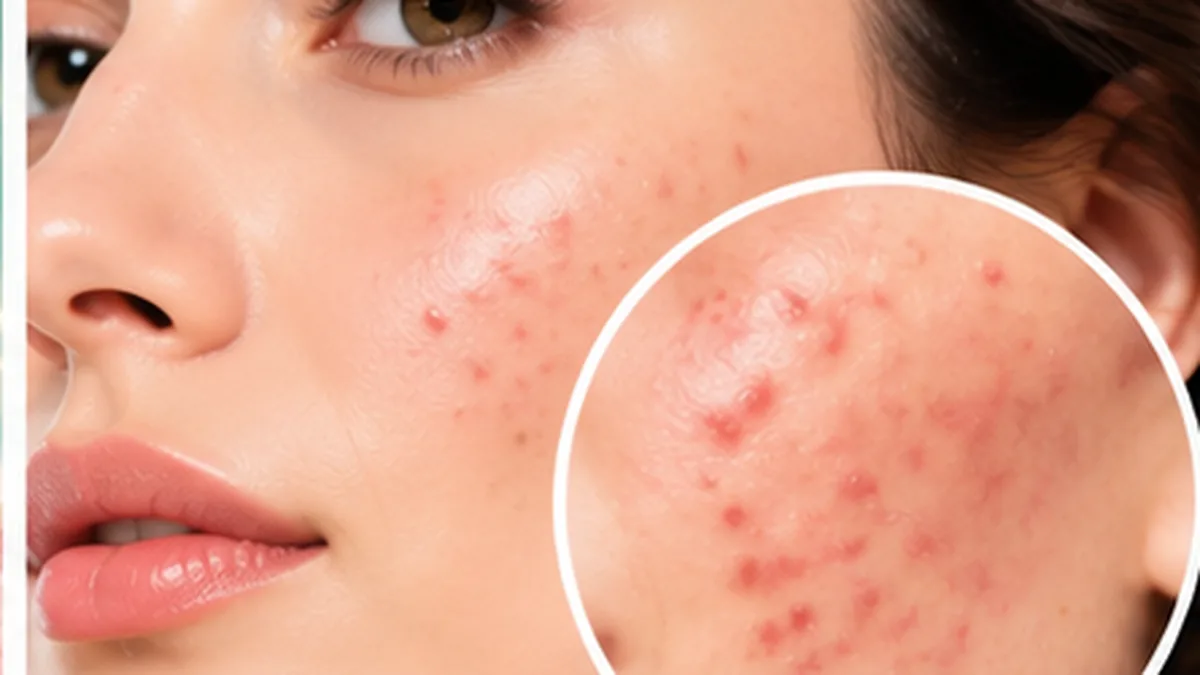
After inflammation settles, red or brown marks may remain. This discolouration is not always a permanent scar and often fades gradually. A true scar usually appears as a depression or raised area in the skin. Squeezing spots, picking scabs and delaying treatment of severe acne all increase the risk of scarring.
Scar treatment depends on the type of scar. Your doctor may consider options such as microneedling, lasers, subcision or peeling in suitable cases. Active acne usually needs to be controlled first, because some invasive procedures on inflamed skin can make the problem worse.
Common mistakes
Washing the face repeatedly, using alcohol or harsh substances, toothpaste, lemon juice and rough scrubs can irritate the skin. Acne is not caused by "dirty skin", and extreme cleansing does not cure it. Treatments usually need several weeks of consistent use before their effect can be judged; constantly changing products over short periods makes results hard to interpret.
Frequently asked questions
Can adult acne be treated?
For many people acne can be controlled well. Choosing the right treatment and maintenance care to prevent recurrence matters.
Does sunscreen cause acne?
Not all sunscreens do. Choosing a light, non-comedogenic product can reduce the chance of blocked pores.
When should I see a specialist?
If breakouts are painful, deep, resistant or leaving scars, it is better to be assessed early.
Conclusion
Adult acne is common and manageable, but treating it is not limited to drying out spots. Identifying the type of acne, choosing suitable active ingredients, protecting the skin from the sun and treating deep lesions early help reduce the risk of dark marks and scars.
Medical note: This article is for general information and does not replace an examination or a prescription from a doctor.