Eczema and Very Dry Sensitive Skin: Symptoms, Causes and How to Control It
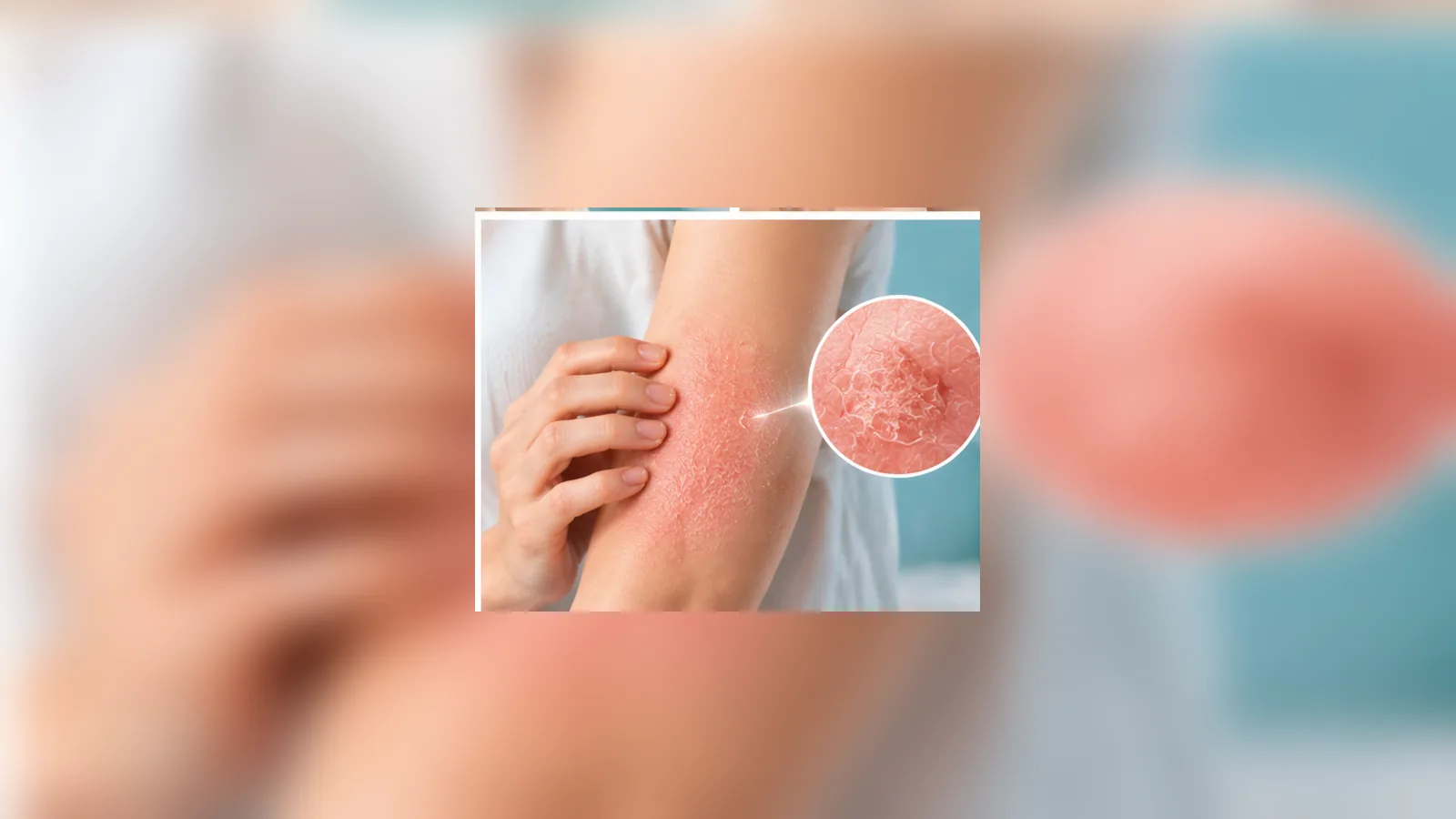
Dryness, itching and redness can be more than a passing reaction. Learn how eczema (atopic dermatitis) damages the skin barrier, which triggers to avoid, and how daily care and medical treatment control flare-ups.
Dryness, itching and redness can sometimes be more than a temporary reaction to cold weather or an unsuitable cleanser. Eczema, especially atopic dermatitis, can cause periods of inflammation and itching in which the skin becomes dry, sensitive and prone to cracking. It may affect the face, hands, the creases of the elbows and knees, or other parts of the body, and it can start at any age.
Eczema is not contagious and does not spread through ordinary contact. It usually has several contributing factors and is linked to a disturbed skin barrier, a sensitive immune response and environmental triggers. The goals of treatment are to control inflammation and itching, repair the skin barrier and reduce the frequency of flare-ups. An accurate diagnosis and a suitable care plan can improve quality of life considerably.
What is eczema and why does it dry out the skin?
In healthy skin, the surface barrier helps retain moisture and keeps irritants from penetrating deeper layers. In eczema this barrier may function less well, so more water escapes from the skin and it becomes more vulnerable to irritating substances. Inflammation also intensifies itching and redness. Scratching then damages the barrier again, and this cycle can make the lesions chronic.
Common symptoms of eczema
Dryness, itching, redness, scaling, cracks and, sometimes, thickening of the skin are the common signs. In some people the lesions appear as dry, itchy patches, and during severe phases there may be oozing or crusting. The appearance of eczema varies with age, the area affected and skin colour; on darker skin the inflammation may look brown, purple or grey.
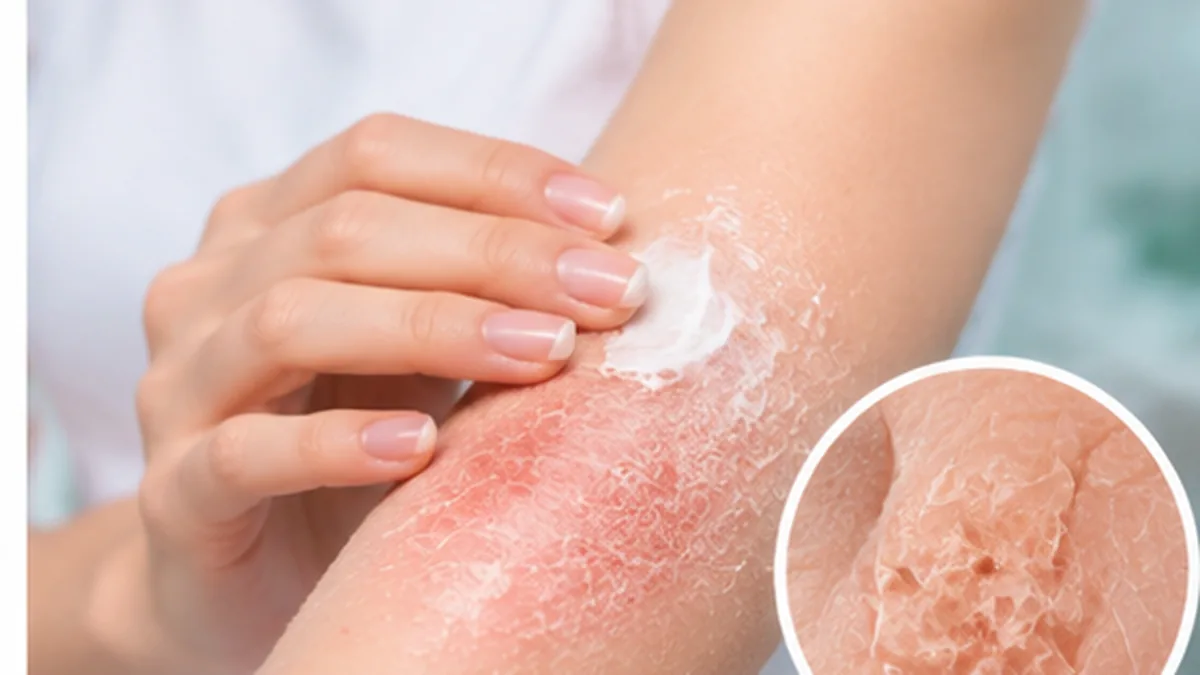
If a lesion is painful, hot, pus-filled or accompanied by fever, an infection is possible and it needs prompt assessment. Severe night-time itching can also disturb sleep and quality of life, and it should be discussed with a doctor.
What makes eczema worse?
Triggers differ from person to person. Harsh soaps, fragranced detergents, perfumes, some skin care products, rough fabrics, sweating, heat, cold dry air and stress can make symptoms flare in some people. Frequent contact with water and cleaning agents can also worsen hand eczema.
Not every trigger affects everyone, so broad elimination of foods or products without a clear reason is not recommended. It helps to note when symptoms occur, new products you use and weather conditions, so you can identify your own pattern. If contact sensitivity is suspected, your doctor may consider patch testing.
How is eczema diagnosed?
Simple dryness usually improves with a moisturiser and less contact with detergents, but eczema tends to cause repeated inflammation and itching. Conditions such as psoriasis, fungal skin infections and contact dermatitis can look similar. A dermatologist will ask about your personal and family history of allergy, asthma or hay fever, when symptoms started and what makes them worse, and will examine your skin. In some cases tests or a skin sample are needed to rule out similar conditions.
Moisturiser: the foundation of care
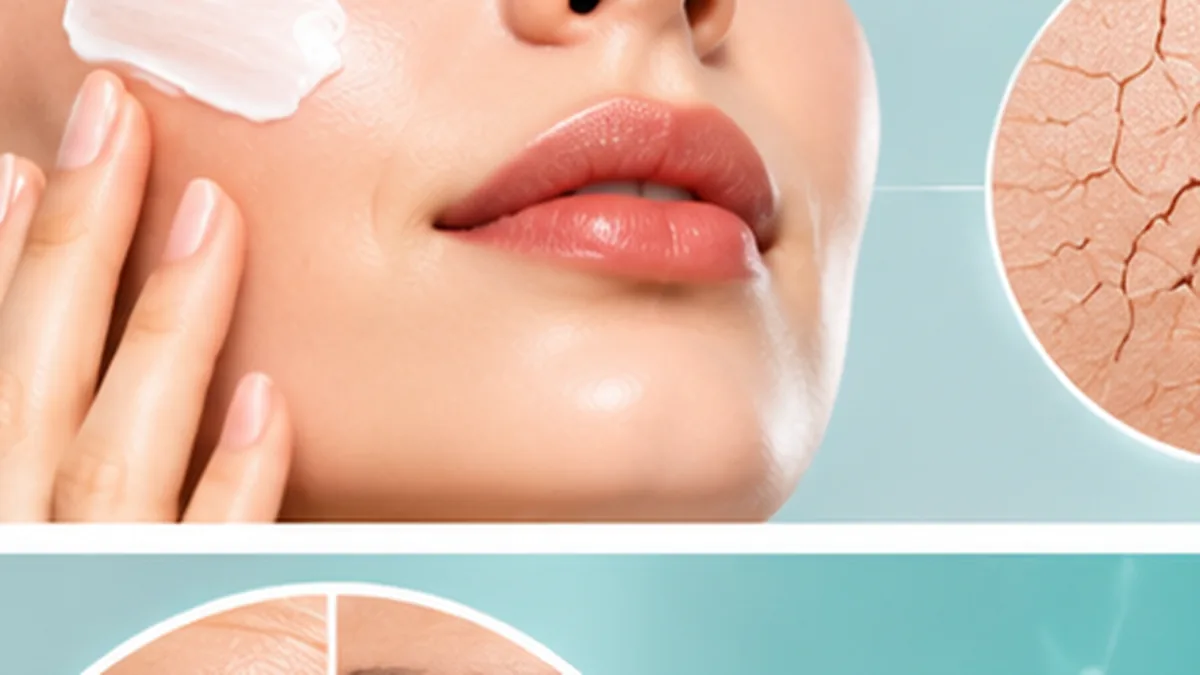
Regular use of a simple, fragrance-free moisturiser helps keep the skin hydrated. Thick creams and ointments are usually more suitable for very dry skin than light lotions. It is best to apply the moisturiser after washing, while the skin is still slightly damp. This should continue regularly, even on days when symptoms are milder.
If a product causes persistent stinging or worsens inflammation, stop using it and choose a more suitable option with your doctor's guidance. Fragrance and many ingredients in some products can be problematic for sensitive skin.
Correct bathing and cleansing
A short bath in lukewarm water is usually better than a long shower in hot water. Use a gentle, fragrance-free cleanser and apply soap only where needed. After bathing, pat the skin dry gently with a soft towel and avoid vigorous rubbing. When working with cleaning products, suitable gloves can reduce direct contact; if the gloves cause sweating and irritation, the type and duration of use should be reviewed.
Medical treatment for eczema
When skin care alone is not enough, your doctor may prescribe anti-inflammatory topical medicines. Topical corticosteroids are used with a strength and duration suited to the site and severity of the lesion. The face and skin folds are more sensitive, and the choice of medicine for these areas must be precise; prolonged unsupervised use can cause side effects.
For some people, medicines such as tacrolimus or pimecrolimus are considered as non-steroid options. Moderate to severe eczema that does not respond to standard treatment may need phototherapy, systemic medicines or targeted therapies. Choosing these options should be based on a specialist assessment and careful monitoring of side effects.
Controlling itch and skin care
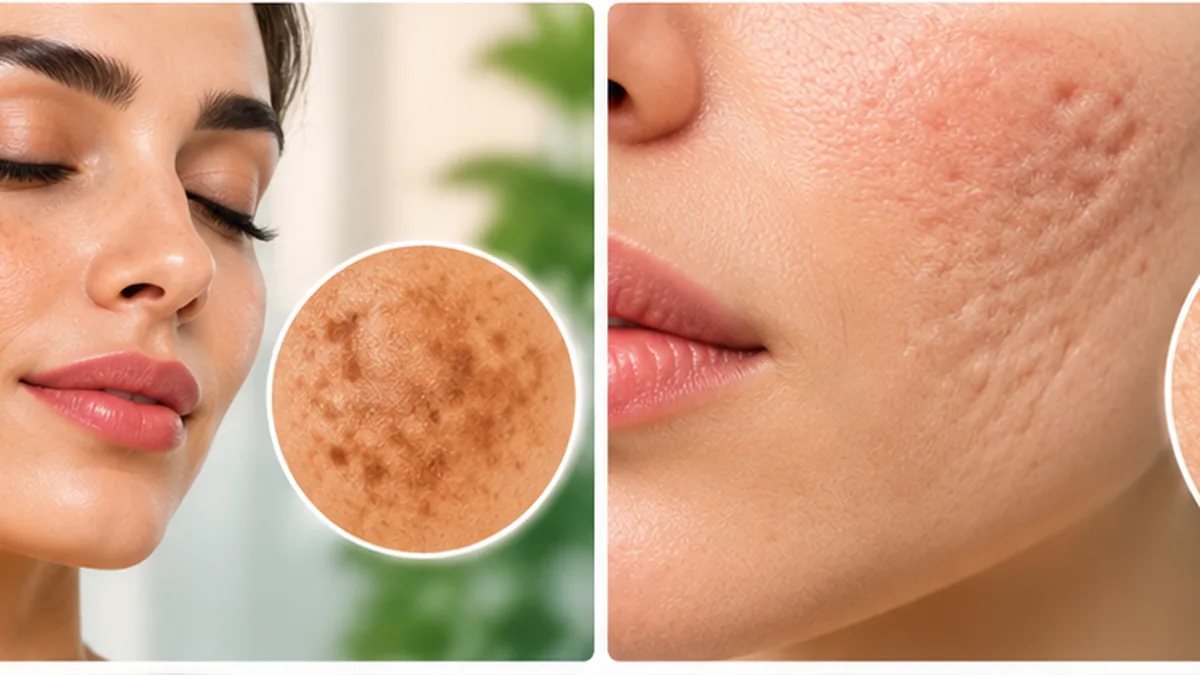
Keeping nails short, keeping the environment cool, using a cool compress and moisturising can help reduce itching. Soft cotton clothing may be more tolerable than rough fabrics. During inflammation the skin is more sensitive to exfoliants, retinol, fragrances and some active ingredients, so simplify your routine and avoid unnecessary products.
Peels, cosmetic lasers or invasive procedures on inflamed skin should be postponed until a doctor has assessed the condition. Once the disease is under control, a gradual return to cosmetic products or procedures can be decided together.
When should you see a specialist?
A specialist examination is needed if the itching is severe, disturbs sleep, the lesions are widespread, the skin is cracking, or usual treatments have not worked. Pus, yellow crusts, increasing pain, warmth of the skin, rapid spreading redness or fever may indicate infection and should be assessed quickly. New eczema in adults, or lesions that do not respond to treatment, also need other diagnoses to be considered.
Frequently asked questions
Is eczema contagious?
No. Eczema is not passed on through handshakes or ordinary skin contact.
Is there a definite cure for eczema?
Atopic dermatitis is usually a chronic condition that may have flare-ups and calm periods. With good care and suitable treatment, symptoms can be controlled.
Is a moisturiser alone enough?
In mild cases it may help a great deal, but moderate or severe inflammation usually needs prescribed medicine.
Conclusion
Eczema is not just simple dry skin. It is an inflammatory condition involving barrier damage, itching and periodic flare-ups. Regular moisturising, identifying your personal triggers, gentle cleansing and appropriate medical treatment can control symptoms. If you have severe itching, widespread lesions or signs of infection, do not delay seeing a dermatologist.
Medical note: This article is for general information and does not replace medical diagnosis or treatment.