Hair Loss in Women and Men: Causes, Diagnosis and Treatment Options
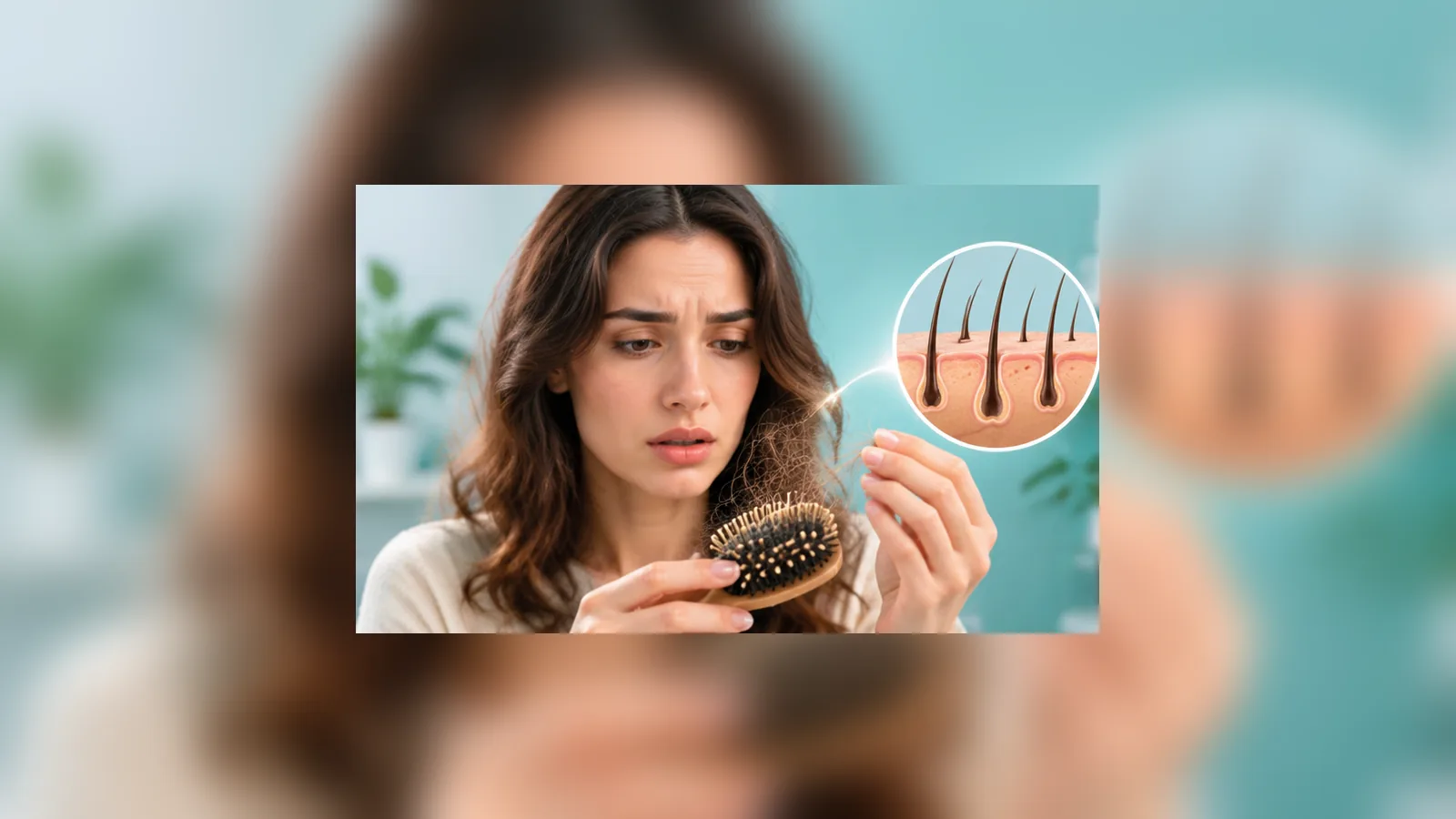
Hair loss has many causes, from genetics and hormones to illness and stress. Learn how normal shedding differs from abnormal loss, how it is diagnosed, and which treatments are evidence-based.
Hair loss is a common concern for both women and men, and it can appear at any age. Finding a few hairs on the pillow or in the shower is not always a sign of disease: hair goes through growth and resting cycles, and some daily shedding is normal. However, when the parting widens gradually, the hairline recedes, a patch becomes visibly thinner, or overall volume drops noticeably, it is worth investigating the cause.
The key point is that hair loss is not a single diagnosis. Heredity, hormonal changes, illness, nutritional deficiencies, physical stress and even hairstyles can produce different patterns. For this reason, choosing a shampoo or supplement based only on advertising is rarely a good solution. Effective treatment starts once the cause has been identified.
The normal hair growth cycle
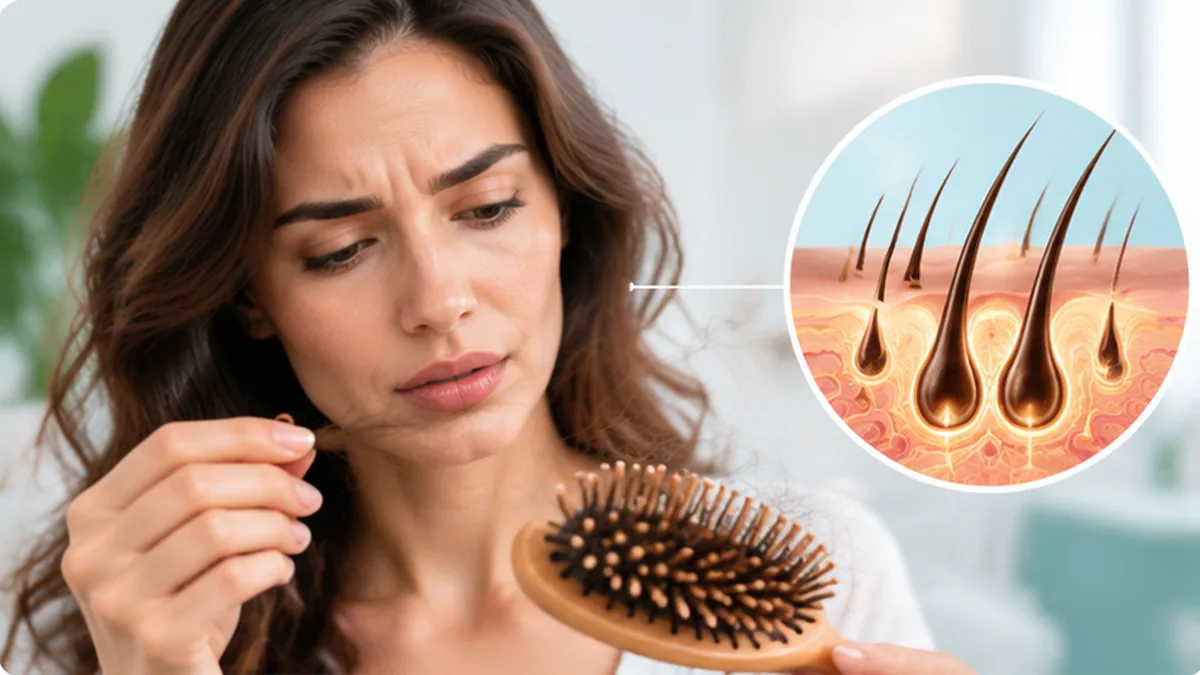
Each hair grows from a follicle in the scalp and goes through a growth phase, a transition phase and a resting phase. At the end of the cycle the old hair falls out so that a new one can grow. Seeing some hairs while combing or washing is therefore not alarming by itself. What matters is a change compared with your usual pattern. Photographing the top of your head in the same light and from the same angle each month can show gradual changes more clearly.
The main causes of hair loss
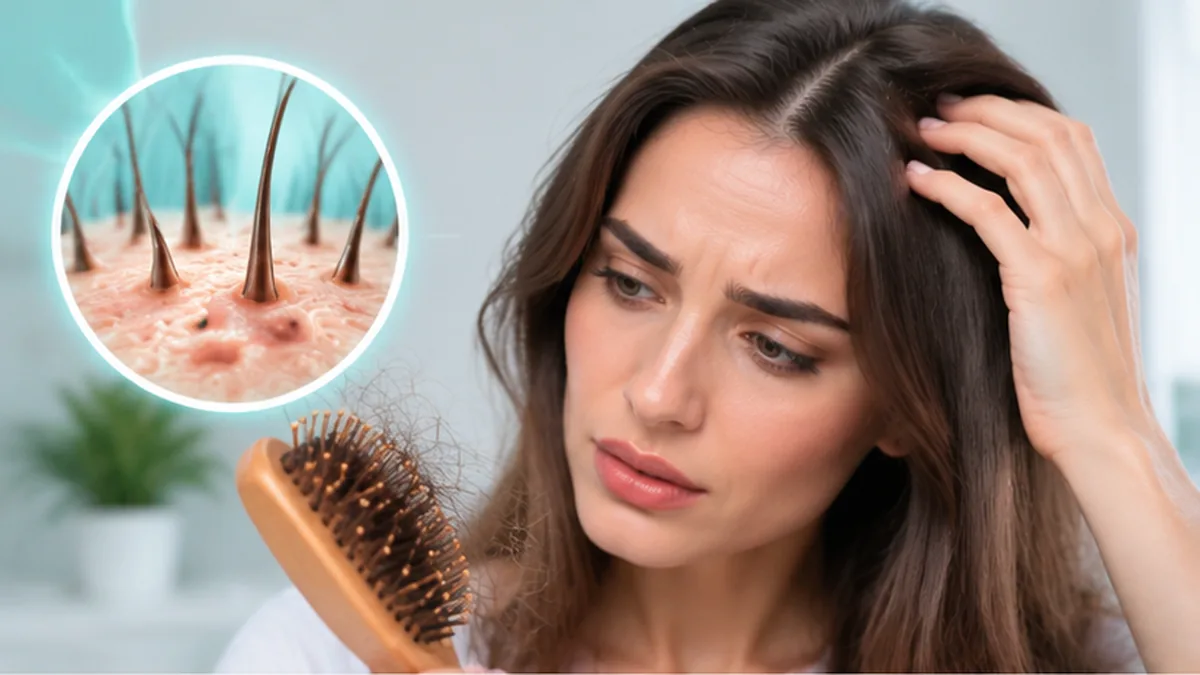
Hereditary (androgenetic) hair loss is one of the most common causes of thinning. In this condition the follicles gradually shrink and the hairs become finer and shorter. In men it often shows as a receding hairline and thinning at the crown; in women it usually appears as a widening parting and reduced density at the centre of the scalp.

Temporary diffuse shedding can occur weeks to months after a severe fever or illness, surgery, childbirth, rapid weight loss, or significant physical or emotional stress. More hairs enter the resting phase in this situation. In many cases the hair improves gradually once the trigger is removed, but it must be distinguished from other types of loss.
Iron or other nutrient deficiencies, thyroid disorders, hormonal changes, some medications, inflammatory scalp conditions and infections can also play a role. Constant traction from very tight styles, extensions or heavy braids may cause traction hair loss.
When should you see a doctor?
Sudden and severe shedding, hair falling out in patches, scalp pain or itching, significant scaling, redness, wounds, or loss of the follicle openings all need evaluation. If hair loss comes with extreme fatigue, weight change, irregular periods or signs of hormonal imbalance, your doctor may request further tests. Do not delay a visit in patchy hair loss or severe inflammation, because some forms can cause permanent damage if treated late.
How is hair loss diagnosed?
Assessment begins with questions about when the loss started, how fast it is progressing, family history, recent illnesses, medications, diet and hormonal changes. The scalp, pattern of density and hair shafts are then examined. Dermoscopy can show follicle details and signs of miniaturisation more clearly. Blood tests are not the same for everyone; depending on the history, your doctor may check the blood count, iron stores or thyroid function.
Medical and specialised treatments
Treatment depends on the type of hair loss, age, sex, general health and pregnancy plans. If an underlying cause such as a thyroid disorder or a proven deficiency exists, treating that cause is the most important step. In some forms of hereditary hair loss, your doctor may consider topical minoxidil or other medications. Results are not immediate and usually take several months; continuing treatment must follow your doctor's instructions.
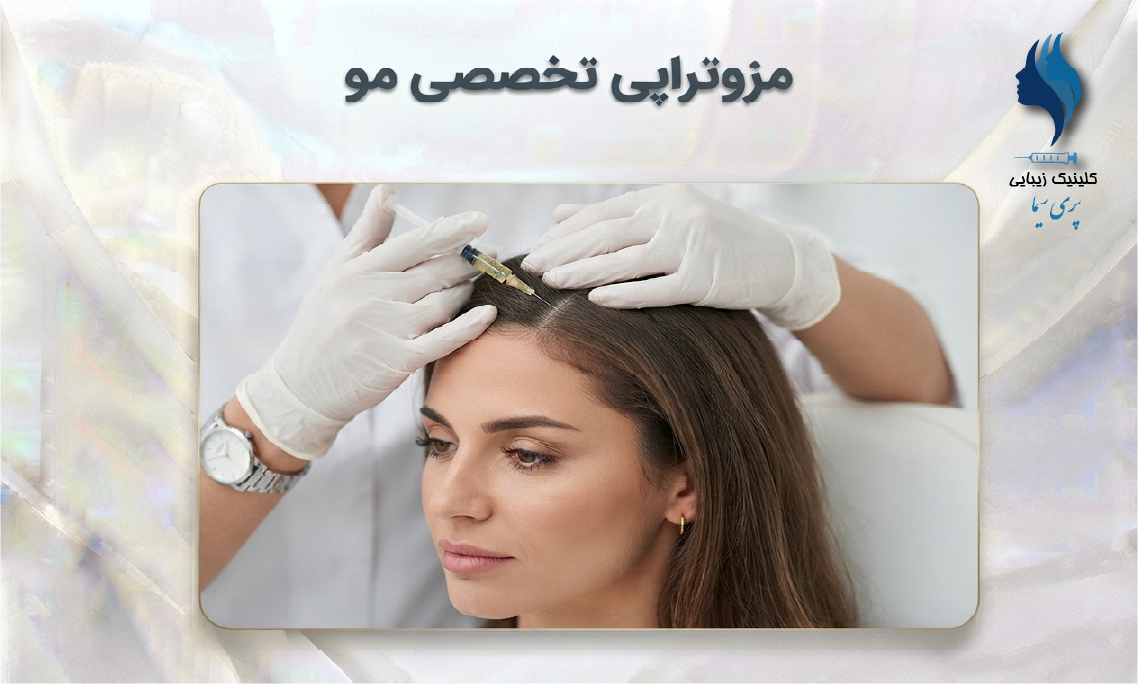
Drugs such as finasteride or hormonal treatments are not suitable for everyone and have specific limitations and side effects. Caution is essential during pregnancy or when pregnancy is possible. Methods such as injections for certain types of alopecia, PRP, low-level laser or hair transplantation may be discussed in selected cases. None of them is a universal treatment for every type of hair loss.
Nutrition and daily care
A balanced diet with adequate protein and micronutrients supports healthy hair. However, taking supplements without a clear need is not a reliable solution. Iron, zinc or biotin make sense only when a specific deficiency or need is present, and excessive intake of some nutrients can be harmful. Wet hair is more fragile, so avoid brushing it vigorously, rubbing it roughly with a towel, using high heat, and wearing very tight styles.
Frequently asked questions
Is it normal to lose some hair every day?
Yes. A certain amount of daily shedding is part of the natural hair cycle. A clear change from your usual pattern, or visible thinning, needs evaluation.
Does stress cause hair loss?
Intense physical or emotional stress can trigger widespread shedding in some people a few months later. However, not every type of hair loss should be attributed to stress.
Does anti-hair-loss shampoo make hair thicker?
A shampoo may help scalp health and reduce breakage, but it is usually not the main treatment for hereditary hair loss or follicle disease.
Conclusion
Hair loss has many causes, and successful treatment depends on an accurate diagnosis. Early assessment, avoiding unsupervised use of supplements and medications, gentle hair care and regular follow-up help you choose the right path. If thinning is increasing, or if it is accompanied by inflammation, pain or patchy loss, see a dermatologist for an examination.
Medical note: This article is for general information and does not replace an examination, diagnosis or prescription by a doctor.