Melasma and Facial Dark Spots: Causes, Treatment and Preventing Recurrence
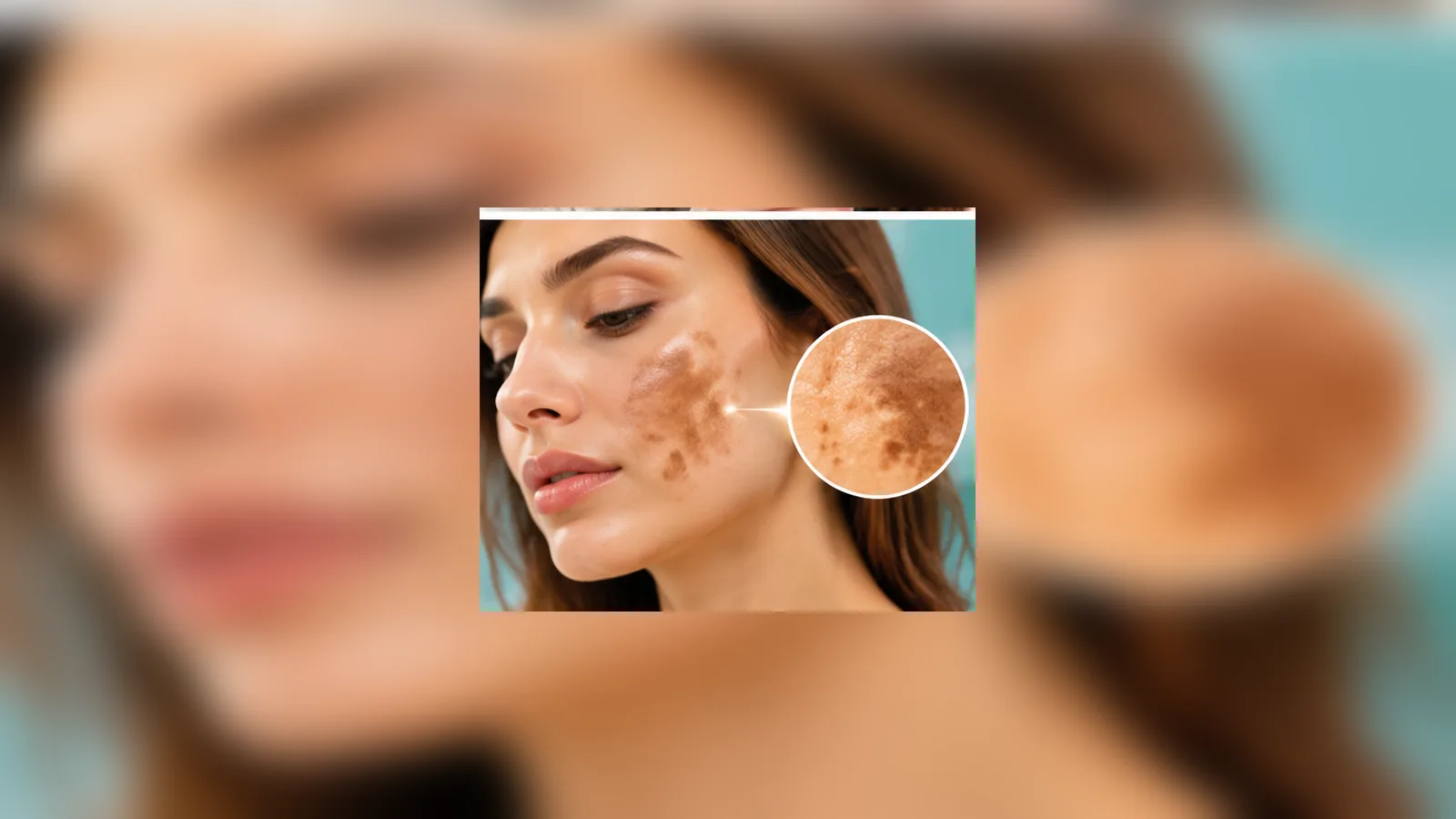
Brown spots on the face may be melasma, sun damage or post-inflammatory pigmentation. Learn how they differ, which topical treatments and sun protection help, and why sunscreen is essential.
Brown spots on the cheeks, forehead, nose or upper lip are a common cosmetic concern. They can appear after sun exposure, after inflammation from acne, or with hormonal changes. One of the recognised causes of facial pigmentation is melasma: a condition that usually appears as brown or greyish-brown patches, often in a fairly symmetrical pattern.
An important point is that not every facial spot is melasma. Sun spots, dark marks after inflammation and some other lesions can look similar, but their treatment is not the same. An accurate diagnosis before using bleaching creams or laser treatments is important, because an inappropriate treatment can irritate the skin and make the pigmentation worse.
What is melasma?
Melasma is a pigmentation disorder in which the cells that produce skin colour, the melanocytes, become more active and create darker areas. The patches are mostly seen on the face and may appear on both sides of the cheeks, the forehead, the bridge of the nose or the upper lip. The darkness sometimes becomes more pronounced in sunny seasons. Melasma is usually not dangerous, but it can be chronic and recurrent.
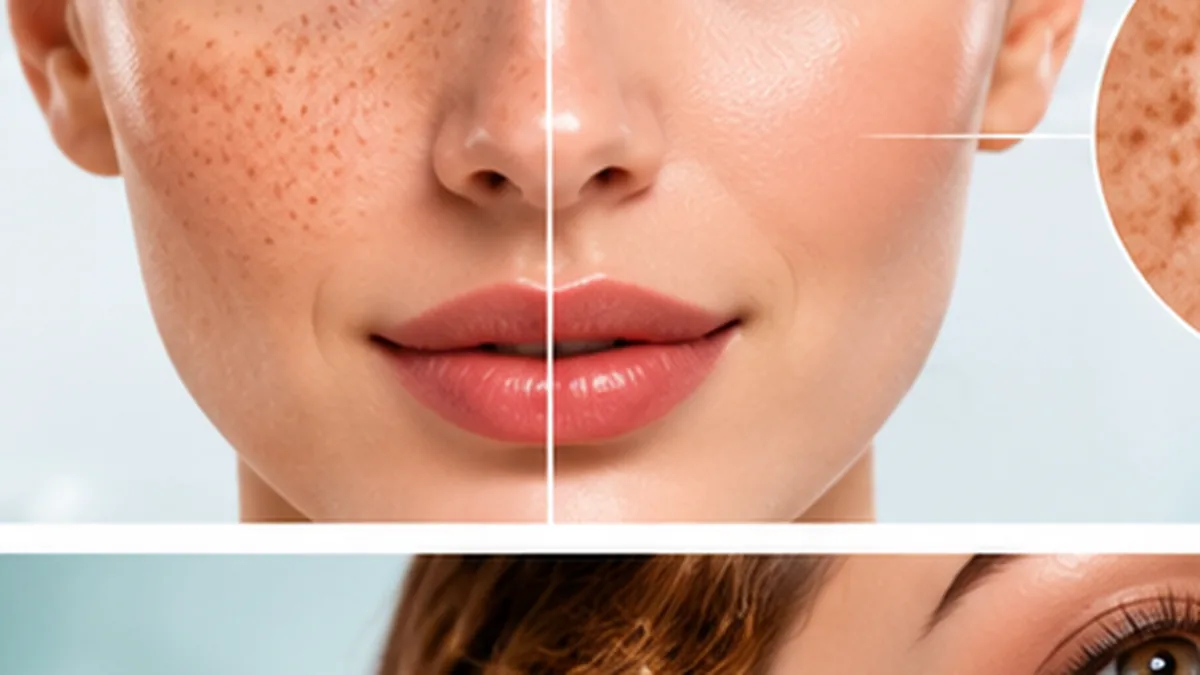
The main causes of spots and melasma
Sunlight is one of the most important triggers of melasma. Ultraviolet rays can increase pigment production and make the spots darker. Visible light may also contribute to pigmentation in some people, especially those with darker skin. Pregnancy and certain hormonal medicines can create or worsen melasma in some individuals. Family history and genetic factors may also play a part.
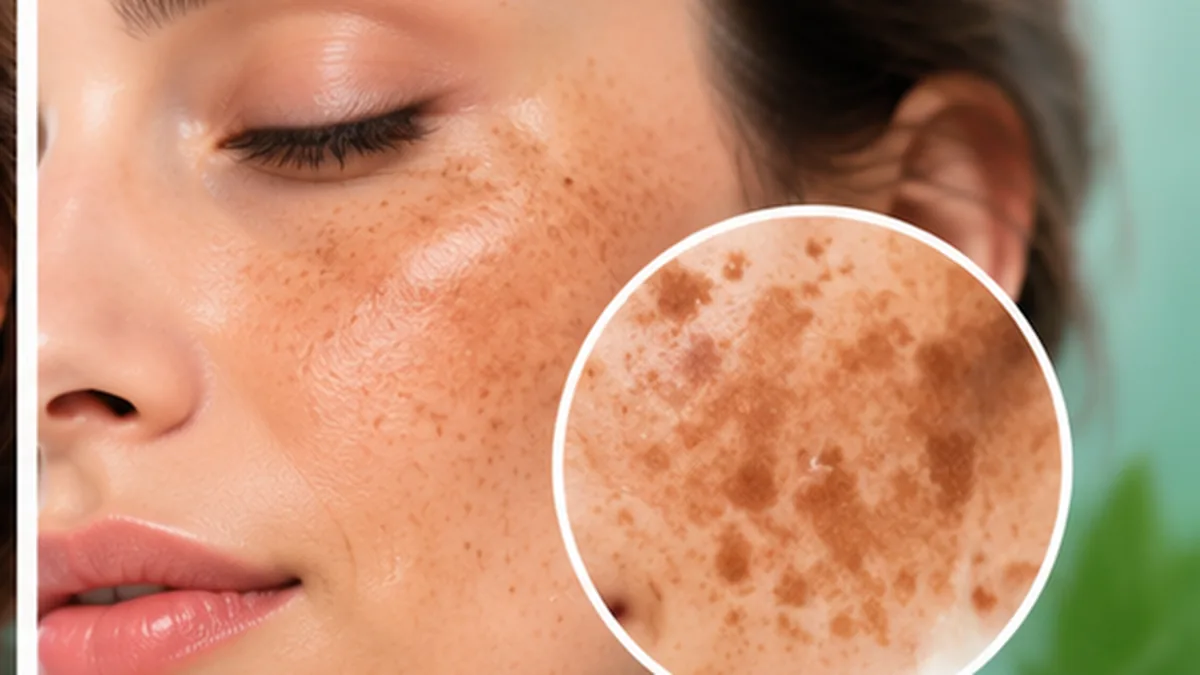
How melasma differs from post-acne marks and sun spots
Post-inflammatory pigmentation usually appears where a pimple, wound or earlier irritation was. It can be brown, grey or red. Sun spots often appear as separate spots on areas exposed to light. Melasma tends to form broad, fairly symmetrical patches, but a definite diagnosis cannot be made from a photo or a description alone.
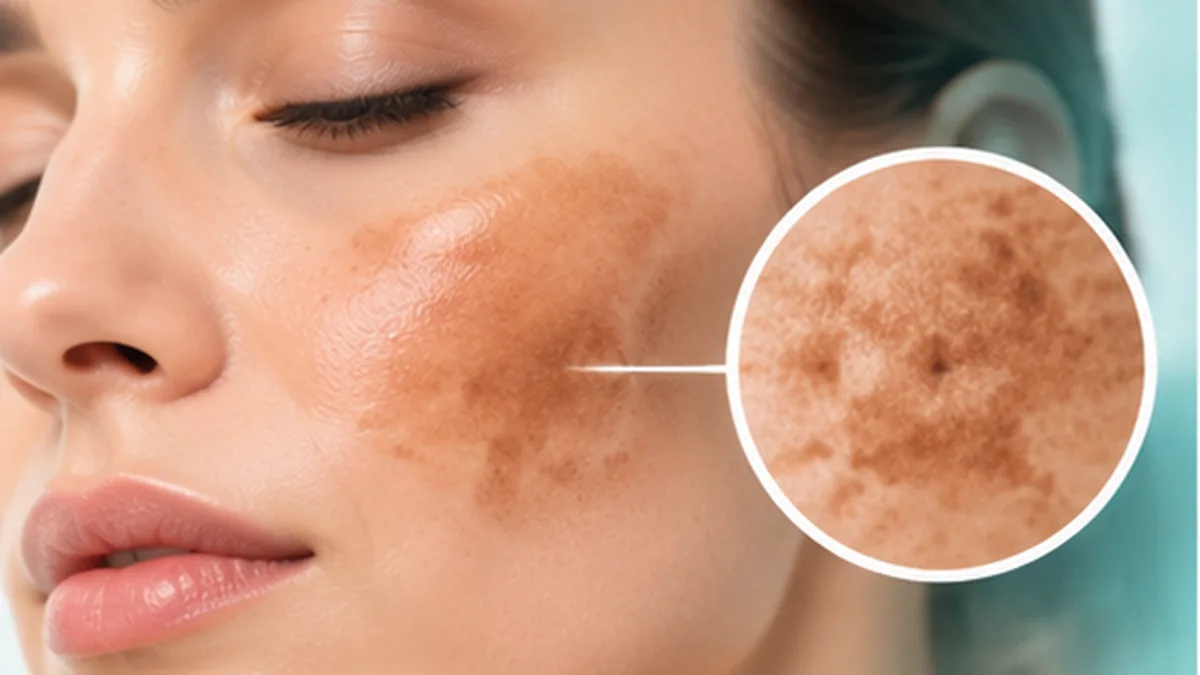
If a new spot changes size or colour quickly, has an irregular border, has more than one colour or bleeds, it should be examined and should not simply be assumed to be a cosmetic spot.
How is melasma diagnosed?
A dermatologist will ask about when the spots started, family history, pregnancy, current medicines, skin care products and sun exposure. The location, pattern and colour of the lesions are then examined. In some cases a dermoscope helps assess the pigment pattern. Other causes of darkening sometimes need to be ruled out, which is why starting strong bleaching creams without a diagnosis is not recommended.
Sunscreen: the foundation of controlling facial spots
Daily sun protection is the core of any melasma plan. Choose a broad-spectrum sunscreen with at least SPF 30 and apply enough of it to all exposed areas. Reapplication matters outdoors, after swimming or sweating. A wide-brimmed hat, shade and avoiding direct sun during the strongest hours also help.
For people with melasma, a tinted sunscreen containing iron oxides may give extra protection against part of the visible light spectrum. The product should suit your skin type and be comfortable to use. Irregular use of sunscreen can limit the results of other treatments.
Topical bleaching and pigment-lightening ingredients
Depending on the type of spot, your doctor may prescribe ingredients such as azelaic acid, vitamin C, retinoids or prescription lightening agents. Hydroquinone is used in some treatment plans but should be used under medical supervision and for a defined period. The right combination and concentration depend on the condition of the skin and any history of irritation.
During pregnancy or breastfeeding, topical treatment must be chosen carefully. Some ingredients, such as retinoids and hydroquinone, are not suitable in pregnancy. Do not use home-made creams or unlabelled products whose ingredients are unknown.
Are peels and lasers suitable for melasma?
Chemical peels and some light or laser devices may help improve the appearance of spots in selected cases, but they are not first-line treatment for everyone. In some skin types melasma can become darker after irritation or inflammation, so the choice of device, the energy level and the experience of the practitioner matter greatly.
Before any clinical procedure, the type of spot, skin colour, history of post-inflammatory pigmentation, current medicines and the likelihood of recurrence should be assessed. Be realistic about claims of complete removal in a single session. Sometimes topical treatment and careful sun protection remain the foundation of the plan.
Maintenance routine and why spots return
A simple, tolerable routine is usually better than using several strong products at once. A gentle cleanser, a suitable moisturiser and regular sunscreen form the basis of care. Avoid harsh scrubs, frequent exfoliation and picking at spots, because skin inflammation can intensify post-inflammatory darkening.
Melasma may return after it has improved, especially if sun exposure continues. For this reason treatment is not limited to a course of cream; maintenance care matters. Once the spots are under control, your doctor may suggest a simpler plan to keep the result.
Common mistakes in treating spots
Using strong combination creams without supervision, long-term unsupervised use of hydroquinone, frequent peeling and inappropriate laser treatment are important mistakes. Lemon juice, baking soda and other acidic home remedies can also irritate the skin and cause more spots. Pigment improvement is usually gradual and takes several weeks or months.
Frequently asked questions
Is melasma dangerous?
Melasma is usually a harmless pigmentation problem, but any new or changing spot should be examined if warning signs are present.
Can melasma be completely cured?
For many people spots can be lightened and controlled, but recurrence is possible. Continuous sun protection is an important part of keeping the result.
Is laser the best treatment for spots?
No. The choice of method depends on the type of spot, skin colour and the likelihood of inflammation. In some cases a laser can make melasma worse.
Conclusion
Facial spots have many causes, and melasma is only one of them. Accurate diagnosis, regular sun protection, suitable topical treatment and caution with clinical procedures are the basis of safe management. If facial pigmentation persists or does not improve with usual treatments, see a dermatologist for an assessment.
Medical note: This article is for general information and does not replace an examination or a prescription from a doctor.