Toenail Fungus: Early Signs, Causes, Diagnosis and Treatment
Yellowing, thickening and crumbling toenails can be a sign of fungal infection. Learn how to recognise it, how it is diagnosed, which treatments work, and how long recovery takes.
Changes in the colour or thickness of a toenail can be embarrassing and can make wearing sandals uncomfortable. One common cause of these changes is a fungal nail infection, or onychomycosis. This infection mostly affects the toenails and can gradually cause yellowing, whitening or browning, brittleness and debris building up under the nail.
However, not every yellow or thick nail is fungal. Repeated trauma from shoes, nail psoriasis and some other conditions can look similar. Diagnosis before starting treatment matters, because the wrong medicine can delay finding the real cause. Treating nail fungus usually takes time, because the nail needs to grow to replace the affected part.
What is nail fungus?
Nail fungus is an infection that can involve the nail plate and the tissue beneath it. Fungi grow best in warm, damp environments and can reach the nail from the skin of the foot or from a contaminated environment. In some people the infection starts in the skin between the toes and then involves the nail. Toenail infection is more common than fingernail infection, because the feet stay for long periods in closed shoes and in damp conditions.
Early signs of toenail fungus
A change in colour of part of the nail to yellow, white or brown is one of the common signs. The nail may become thicker, its edge may crumble, or crust-like debris may collect under the plate. In some cases the nail separates from the bed or loses its normal shape. A mild infection may not hurt, but in advanced stages pressure from shoes can cause discomfort.
If the nail has become painful, makes walking difficult, or the skin around it is red and swollen, a medical assessment is important. People with diabetes, poor circulation or a weakened immune system should have changes in the nails and skin of the feet checked early.
How does nail fungus spread?
Fungi can survive in damp places such as public showers, changing rooms, swimming pools and closed shoes. Walking barefoot in these areas, sharing towels or nail tools, and wearing damp shoes can increase the risk of contact with the fungus. Contact with the skin of an infected foot may also help the infection spread.
Heavy foot sweating, nail injury, poor circulation, diabetes, older age or a weak immune system can increase the chance of infection or make treatment harder. Having nail fungus does not necessarily mean poor hygiene; environmental and underlying factors also play a role.
Is every yellow nail a fungal infection?
No. Injury from tight or sports shoes, psoriasis, eczema, changes linked to ageing and some other problems can also alter the colour and thickness of a nail. A dermatologist will examine the nails and may take a light scraping or a small sample from the affected part. Examining the sample under a microscope or running laboratory tests can confirm whether fungus is present and help choose the right treatment.
Topical treatment with antifungal medicines
For mild or limited infections, your doctor may recommend a prescribed antifungal solution or nail lacquer. These products must be used as directed and for a long time; topical treatment of toenails can continue for months. Keeping the nail short and carefully thinning the thickened part by a trained person can help the medicine penetrate better.
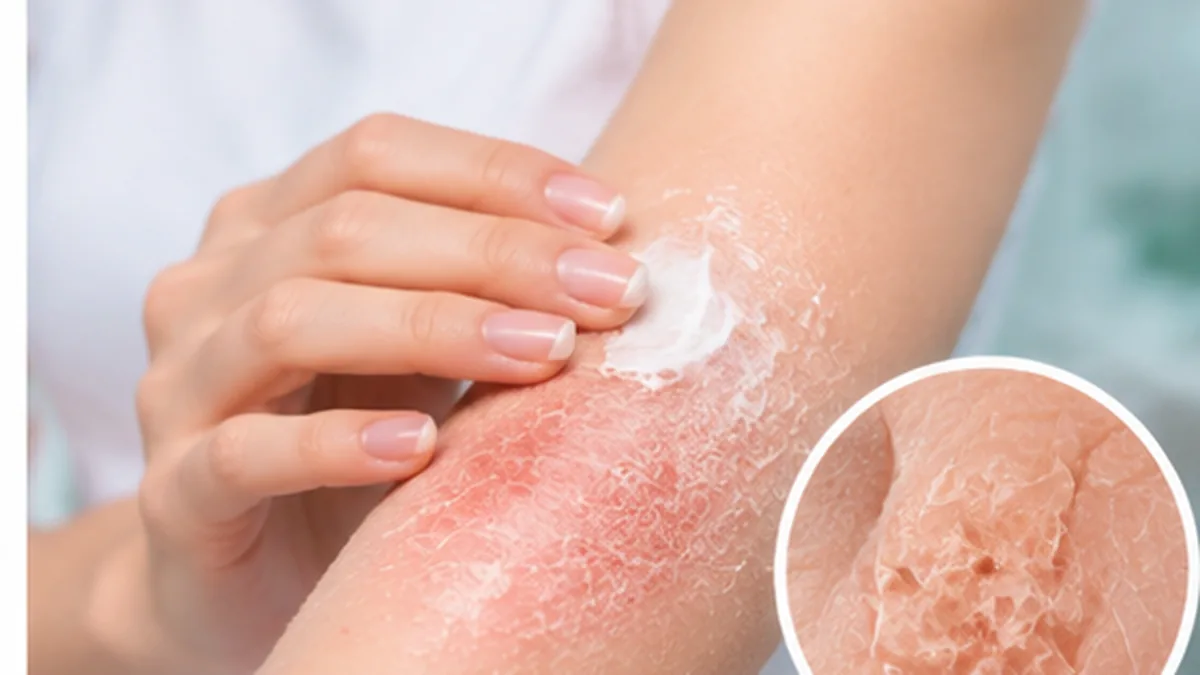
Ordinary antifungal skin creams are not always sufficient to treat an infection inside the nail, because the medicine has difficulty penetrating the nail plate. Using a skin cream without a diagnosis and expecting the nail to be fully treated may therefore not work.
When are oral medicines needed?
If several nails are involved, the infection is widespread or severe, or topical treatment is not suitable, your doctor may consider an oral antifungal. The choice of medicine depends on the type of fungus, liver health, underlying conditions, other medicines being taken and the possibility of pregnancy. Some oral medicines can interact with other drugs or need laboratory monitoring, so never start one on your own.
Why does treatment take so long?
Even after the infection is controlled, the discoloured part of the nail does not disappear straight away. The nail has to grow so that healthy nail gradually replaces the damaged section. A big toenail may need a year or more to grow completely. For this reason, success cannot be judged from the appearance of the nail in the first few weeks; regular follow-up and correct use of medicine are important.
Can laser treat nail fungus?
Some centres advertise lasers to improve the appearance of nails or treat fungus, but the evidence and approvals should be checked carefully. A laser should not be considered a definite replacement for prescribed antifungal treatment. If a laser treatment is suggested, ask your doctor about its exact purpose, the evidence for its effectiveness, its limitations, its cost and the chance of recurrence.
How to prevent infection and recurrence
Dry your feet thoroughly after bathing, especially between the toes. Wear clean, breathable socks and dry damp shoes before wearing them again. In changing rooms, public baths and around pools, use your own sandals, and do not share towels, nail clippers or files with others. Manicure and pedicure tools must be properly disinfected.

If athlete's foot is also present, treating it matters, because it can be a source of recurrent nail infection. Avoid picking or deeply cutting the corners of the nail, and if there is pain or inflammation, postpone nail cosmetic services until the nail has been assessed.
Frequently asked questions
Is nail fungus contagious?
Fungus can spread through contact with skin, nails, or contaminated surfaces and tools. Good hygiene and not sharing personal items reduce the risk.
Will filing the nail get rid of the fungus?
No. The fungus can remain in the nail plate and the tissue beneath it, and filing alone does not treat the infection.
How long does it take for the nail to look normal?
It depends on the severity of the infection and the speed of nail growth. A big toenail may need a year or more to grow completely.
Conclusion
Toenail fungus can cause discolouration, thickening, crumbling and separation of the nail, but it must be distinguished from similar problems. Testing a nail sample when necessary, choosing a suitable topical or oral treatment, completing the full course and keeping the feet hygienic all help control the infection. If the nail has changed shape, is painful, or several nails are affected, see a dermatologist for an assessment.
Medical note: This article does not replace an examination or a prescription from a doctor.