Who Is a Good Candidate for a Hair Transplant? A Patient Selection Guide
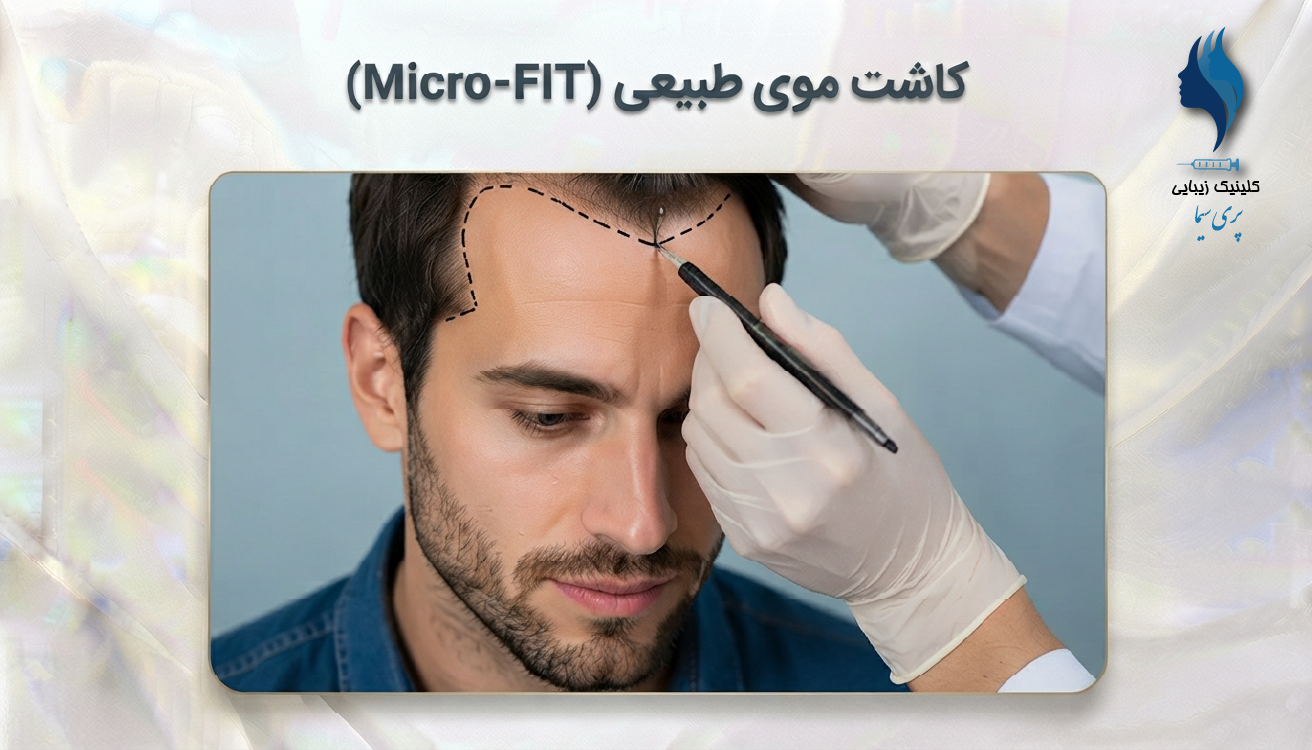
Not everyone with hair loss is a candidate for transplantation. Learn the criteria and when medication should come first.
Before deciding on a hair transplant, a specialist must carry out a careful assessment, because hair loss has many causes and not all types respond to transplantation in the same way.
Who is a good candidate?
- People with hereditary hair loss in a male or female pattern that has progressed beyond what medication alone can manage.
- People with healthy follicles and sufficient density in the donor area (the back and sides of the scalp).
- People with realistic expectations who understand how permanent the result is.
Who should try other treatment first?
- Hair loss caused by active scalp conditions such as alopecia areata or infections.
- Hair loss linked to anemia, vitamin deficiency or thyroid disorders, which should be treated first.
- Temporary shedding after childbirth or severe stress.
In these cases, mesotherapy and complementary treatments can help control shedding. Pari Sima Clinic will recommend the most suitable path after a specialist examination.
The role of examination and blood tests
Before surgery, your doctor assesses scalp condition, donor-area density and the pattern of hair loss. Blood tests may be requested to check for anemia, vitamin D levels, hormones and thyroid function. This evaluation helps determine the right timing and predicts the likely outcome.
Does age matter?
Transplantation is usually performed once hair loss has stabilized. Younger patients whose loss is still progressing need a more cautious plan so that future treatment options remain available. Your doctor will recommend timing based on your current status and the speed of hair loss.